AI Portfolio
Research Radar
An AI scout that brings me new product thinking twice a week
The Problem
The product operating model is shifting
AI is rewriting product management and development. The roles are shifting, the handoffs are shifting, and the whole product operating model needs another look.
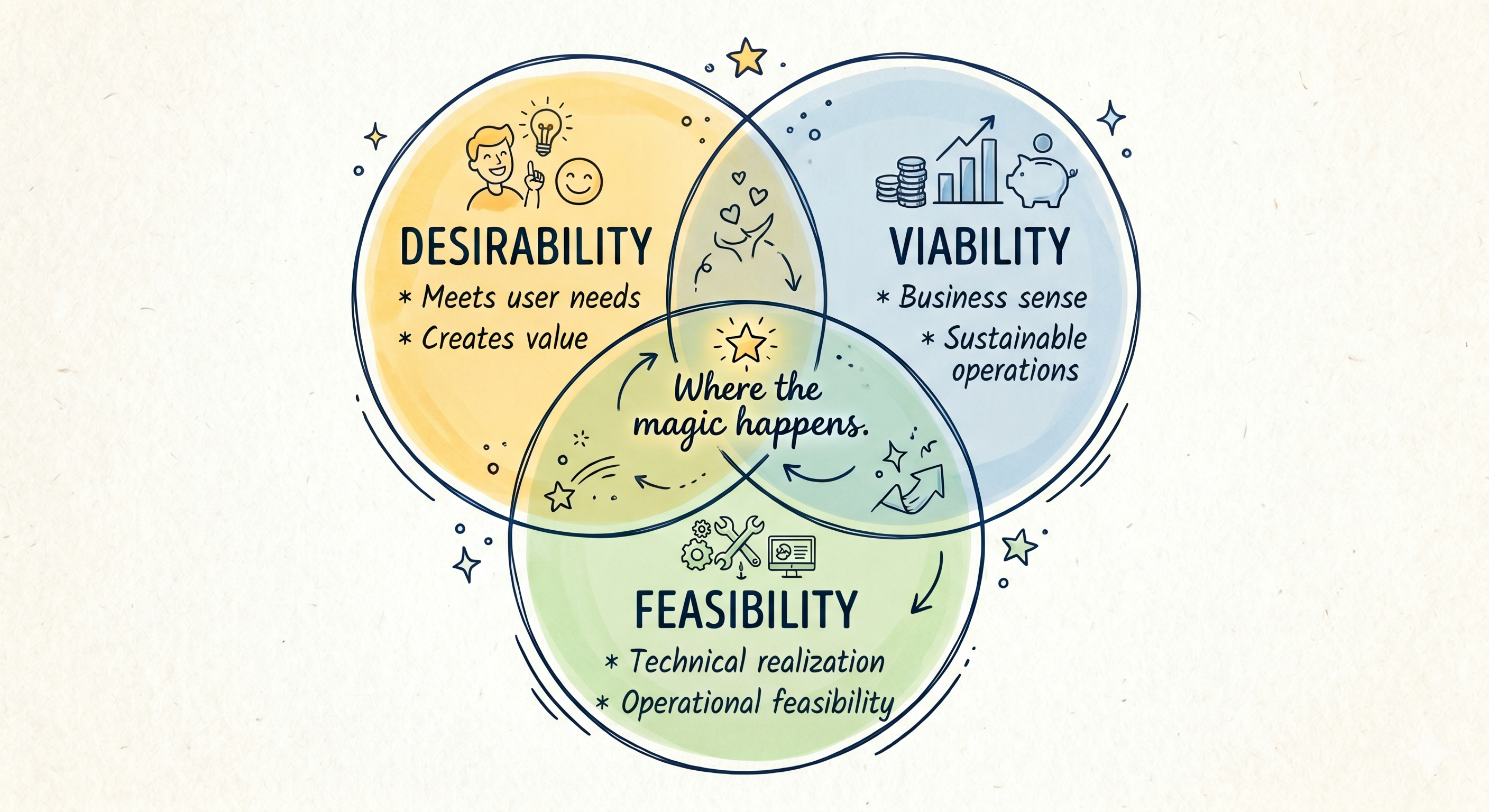
Most companies that take product work seriously have settled on the product trio: a PM, a designer, and a developer working together to make sure viability, desirability, and feasibility all get a vote. The shorthand for this is POM — Product Operating Model. It's a good model. It still works.
But it stops being the only model the moment modern AI tools come into the picture. Agents start doing chunks of the trio's work. The handoffs change shape. The question of what a human does versus what an agent does becomes a real design choice, not a hypothetical.
I'm curious how different teams and companies are actually answering that right now. Who's keeping the trio intact? Who's shrinking it? Where are the agents taking work, and where are they being kept out? What does a handoff look like when one of the participants doesn't have a calendar?
To follow that shift without spending half my week on it, I needed someone scanning the field for me — reading the articles, watching the YouTube talks, tracking what frontier teams publish. That's what Research Radar does: it fetches, filters, and curates a list I'll actually read.
The Solution
A scout that runs Tuesday and Friday at 7:00
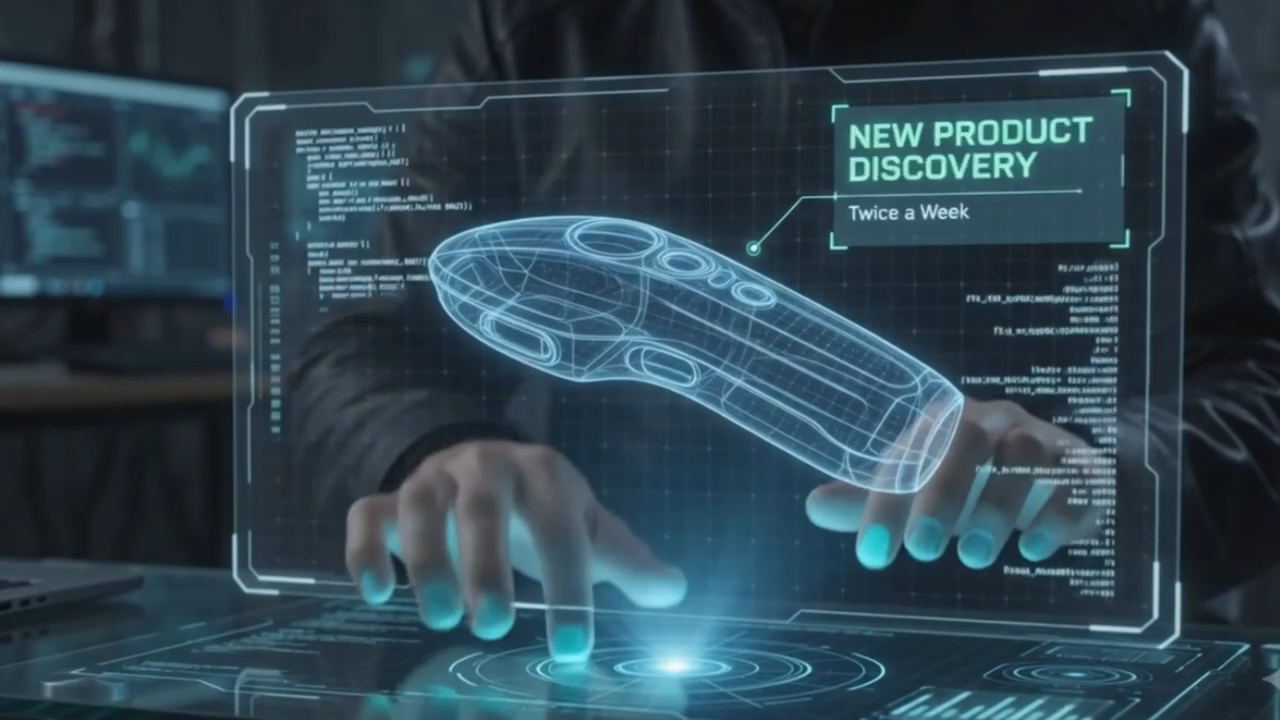
Twice a week, while I'm having coffee, a Claude agent runs on my Mac. It scans the past 7 days of content from a named list of Substacks and runs broader web searches around AI-assisted product management, discovery, user research, prototyping, and validation. It skips hype, generic AI takes, ML deep-dives, and vibe-coding tutorials that aren't tied to product workflow.
What it produces:
- Notion database rows — one per finding, with title, source, summary, link, and tags
- A digest email to my inbox — subject line, top items, brief notes per finding, plain text so it reads fast on a phone
Notion is the source of truth. The email is the trigger that gets me to look. If something matters enough that I want to act on it, I open Notion and link the article to whatever piece of work it informs.
macOS launchd handles the schedule with one plist holding two cron entries. A bash wrapper sets up the environment, clears the previous brief file, and invokes Claude in headless mode with a narrow allowlist of MCP tools — only what the skill needs.
The Claude skill (`SKILL.md`) is the actual intelligence. It runs parallel web searches across the named sources, fetches and reads candidate articles, filters by scope, writes findings to Notion, and writes a brief file. The bash wrapper then sends that brief via a small Python smtplib script.
Logs go to `~/Library/Logs/research-radar.log` so I can see what happened on any given run.
Why this works
Curation, not aggregation
An RSS reader gives me 50 titles. The radar gives me 5 to 8 findings that are actually relevant, with summaries based on what's in the article (Claude can fetch and read), not just the headline.
The scope is enforced in the skill prompt itself:
- 7-day window only — anything older is skipped silently
- Topics in scope are listed explicitly; out-of-scope topics are listed too
- Named Substacks searched site by site, not via "best of" aggregators
The Notion database has been quietly accumulating since the radar started running. It's now a searchable archive of what's been published recently in AI product work, tagged and linkable to whatever I'm writing or pitching.
Tech Stack
- Claude CLI in headless mode (`claude -p`)
- macOS launchd for scheduling
- Notion MCP server — read + write
- Python smtplib for Gmail SMTP
- Bash for orchestration
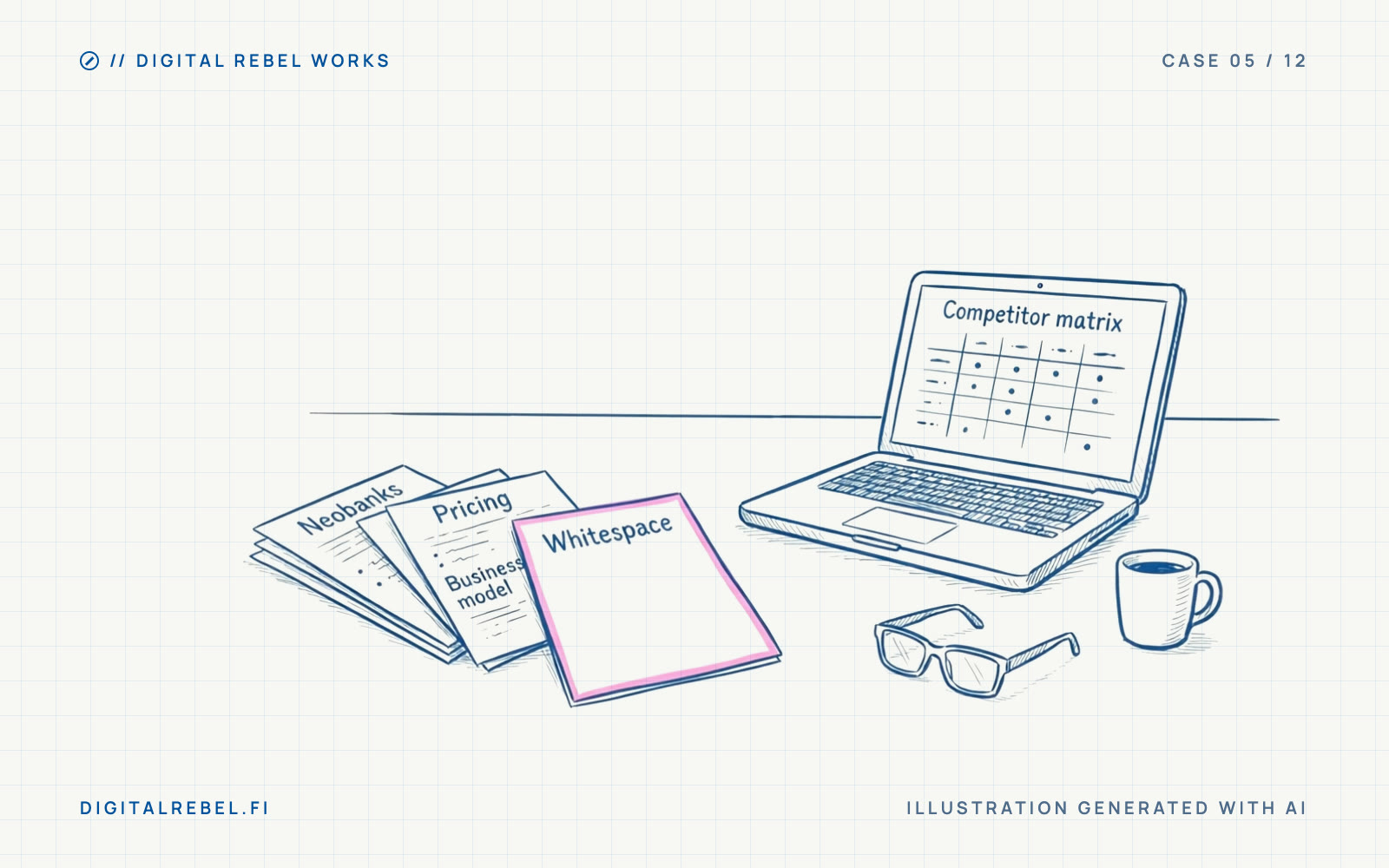
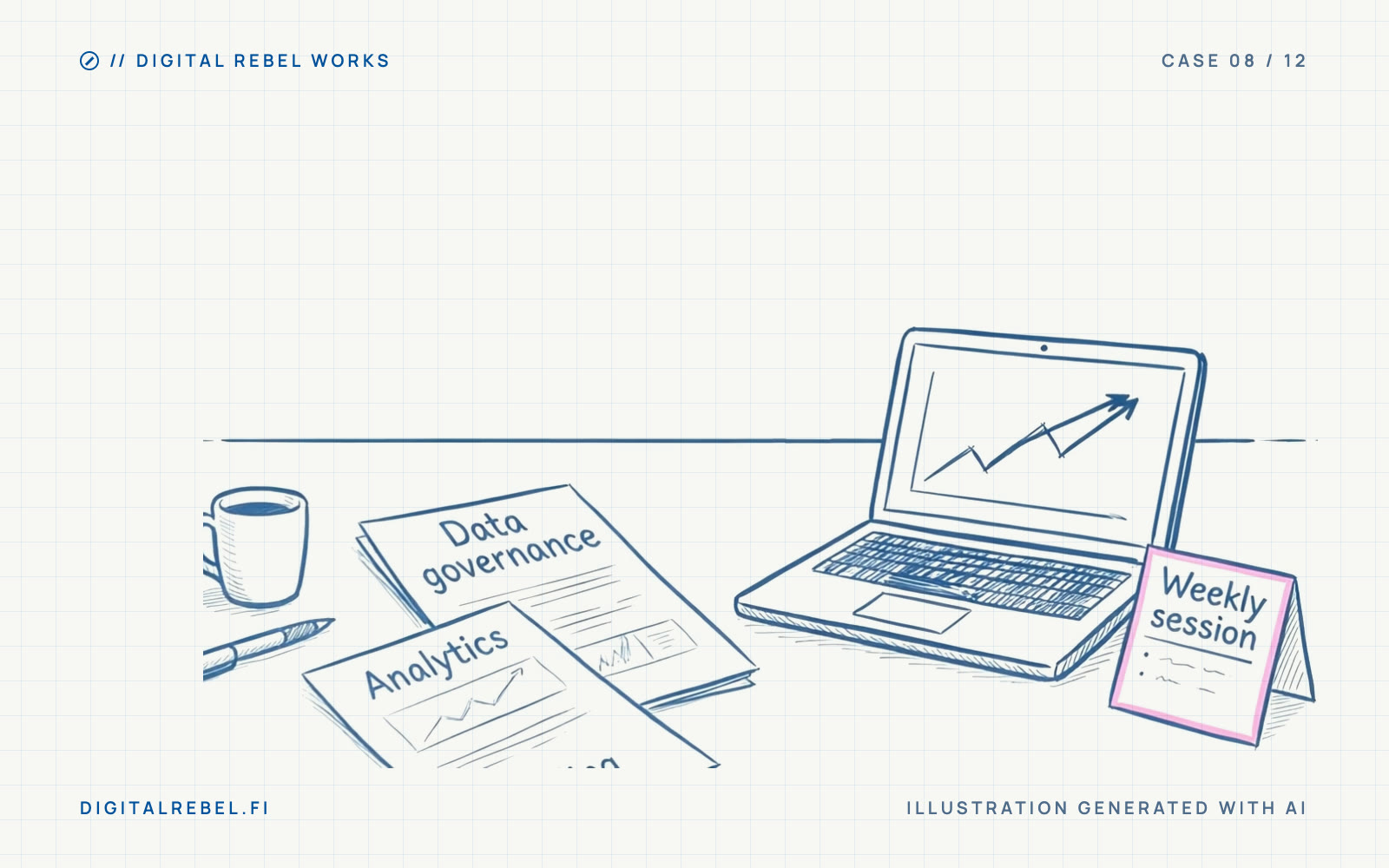
How research and strategic intelligence play out in real engagements
Further reading
What Most Product Teams Don't See About Business Systems
Most product teams see data, tech, and product. But businesses operate in thirteen interconnected layers. Here's how to see the whole system.
What Concept Design Actually Is (And Why Most Companies Skip It)
In many companies, work moves from strategy straight to UI or data models. The layer in between — the one that defines the big picture — gets skipped.
The Bottleneck Isn't Building. It's Deciding.
AI made execution fast. But approval still runs on slide decks and steering groups. The bottleneck in product development isn't technical — it's organizational.
Get the next article in your inbox
Short, practical notes on strategy, operating models, and what it takes to turn intent into something that actually works.